
Precision Techniques for Deciphering Fixed Resistors
At the heart of electronic schematics, the role of fixed resistors cannot be overstated—they demand meticulous calibration to ensure the system's integrity. The initiation of a test with a pointer multimeter commences with establishing a firm connection between the meter's probes and the resistor's endpoints. The art of selecting the optimal range becomes paramount, a step that significantly augments measurement accuracy. This endeavor requires a blend of technical finesse and the operator’s tactical skill. For the pinnacle of precision, positioning the pointer towards the scale's center, especially within the golden 20% to 80% span, is recommended. The tolerance class of a resistor dictates the acceptable margin of error, with deviations signaling possible damage or modifications.
In practice, to nullify the influence of human resistance on measurements of high-resistance components, it's imperative to avoid direct touch between the probe and the resistor’s conductive areas. Isolating the resistor from its circuit further eliminates the risk of distortion by external elements. While resistors adorned with color bands provide a preliminary resistance estimate, verifying this through multimeter measurement remains a gold standard for accuracy.
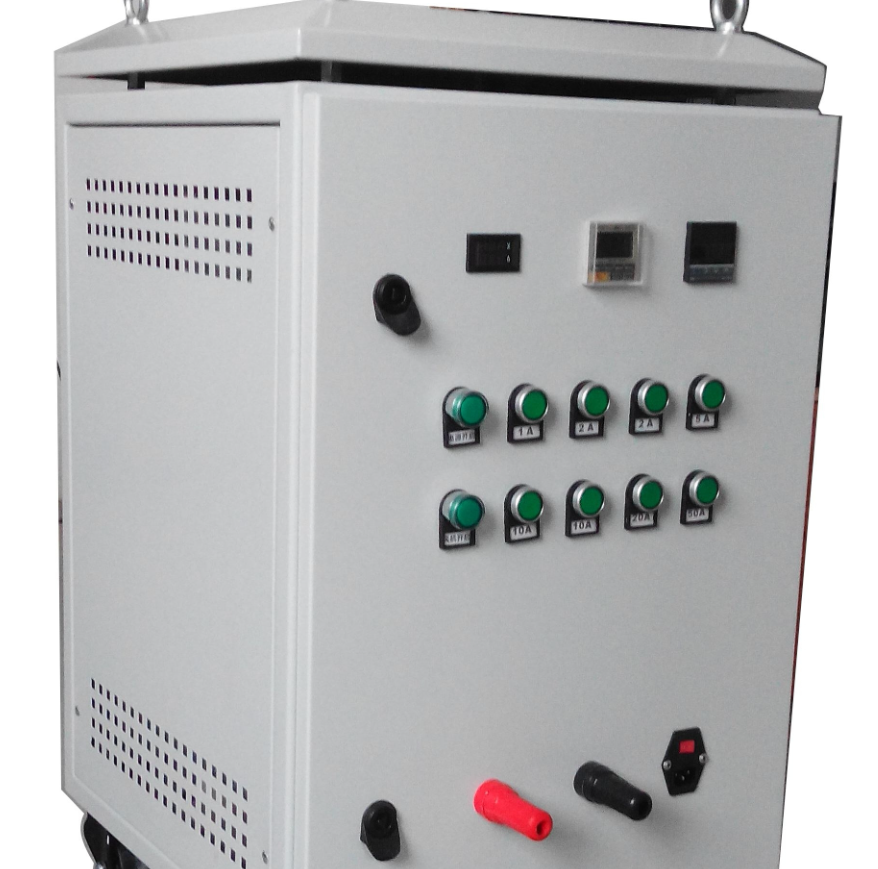
Unraveling the Secrets of Fuse Resistors
Fuse resistors act as guardians of the circuit, their condition reflecting the system’s overall safety. The aftermath of an overload, manifesting as either blackening or scorch marks on a blown fuse resistor, tells a tale of circuit distress. In contrast, a fuse resistor that appears intact yet is blown usually indicates a subtle breach of the rated current. The multimeter’s resistance mode becomes a tool of truth in these scenarios. A meticulous examination requires one end of the resistor to be free from the circuit, where an infinite resistance reading heralds a malfunction.
Navigating the Nuances of Potentiometers
Potentiometers, the architects of adjustability in circuits, demand their own set of evaluative criteria. Assessing one involves scrutinizing the smoothness of its dial movement and the responsiveness of its switch. Listening for any sounds during this process may also shed light on its internal condition. The sequence of these tests is critical for ensuring reliable results. Ideal potentiometers exhibit a fluid shaft rotation and a consistent resistance change in tandem with this motion. Any erratic pointer movements during testing could be indicative of internal issues, prompting further examination.